Interior Design Trends for 2026: Warmer, Bolder, and Deeply Personal
2026 is officially turning up the warmth.
Across Australia — from coastal new builds to Blue Mountains retreats and inner-city apartments — we’re seeing a clear shift toward homes that feel layered, expressive and genuinely lived-in. Think rich earthy tones, sculptural furniture, sustainable finishes and spaces that reflect the people who live in them.
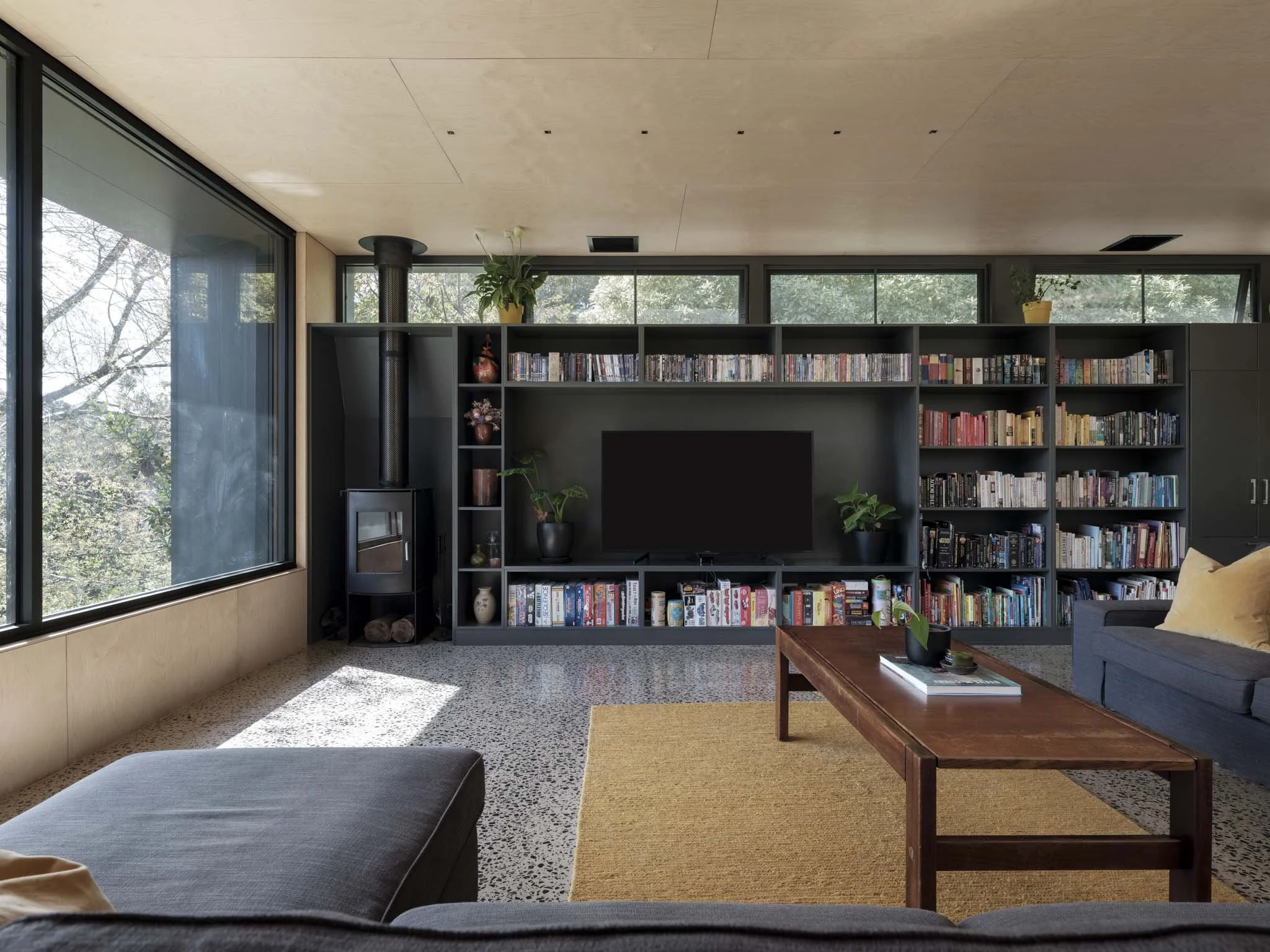
Project: Spencer St, Leura
1. Deep, Earthy Colour Palettes Take Centre Stage
Cool greys are making way for something far more inviting.
Expect to see:
Creamy caramel
Deep chocolate brown
Terracotta and clay
Warm taupes and earthy neutrals
These tones feel grounded and comforting — perfect for Australian light and landscapes.
2. Colour Drenching
One technique gaining serious momentum is “colour drenching.”
Instead of contrasting trims and ceilings, walls, ceilings and even joinery are painted in the same tone. The result? Immersive, cocoon-like spaces that feel intentional and sophisticated.
In a bedroom, it creates a restful sanctuary. In a living room, it adds drama and depth without feeling overdone.
3. Cosy Maximalism
Minimalism isn’t gone — it’s just evolving.
2026 is about curated abundance rather than clutter. Homes are becoming more layered and personal, filled with:
Vintage finds
Heirloom pieces
Collected artwork
Books, ceramics and meaningful objects
It’s less about showroom perfection and more about authenticity.
For Australian homes especially, this works beautifully when paired with natural textures and good natural light. A structured space with layered furnishings feels intentional rather than busy.
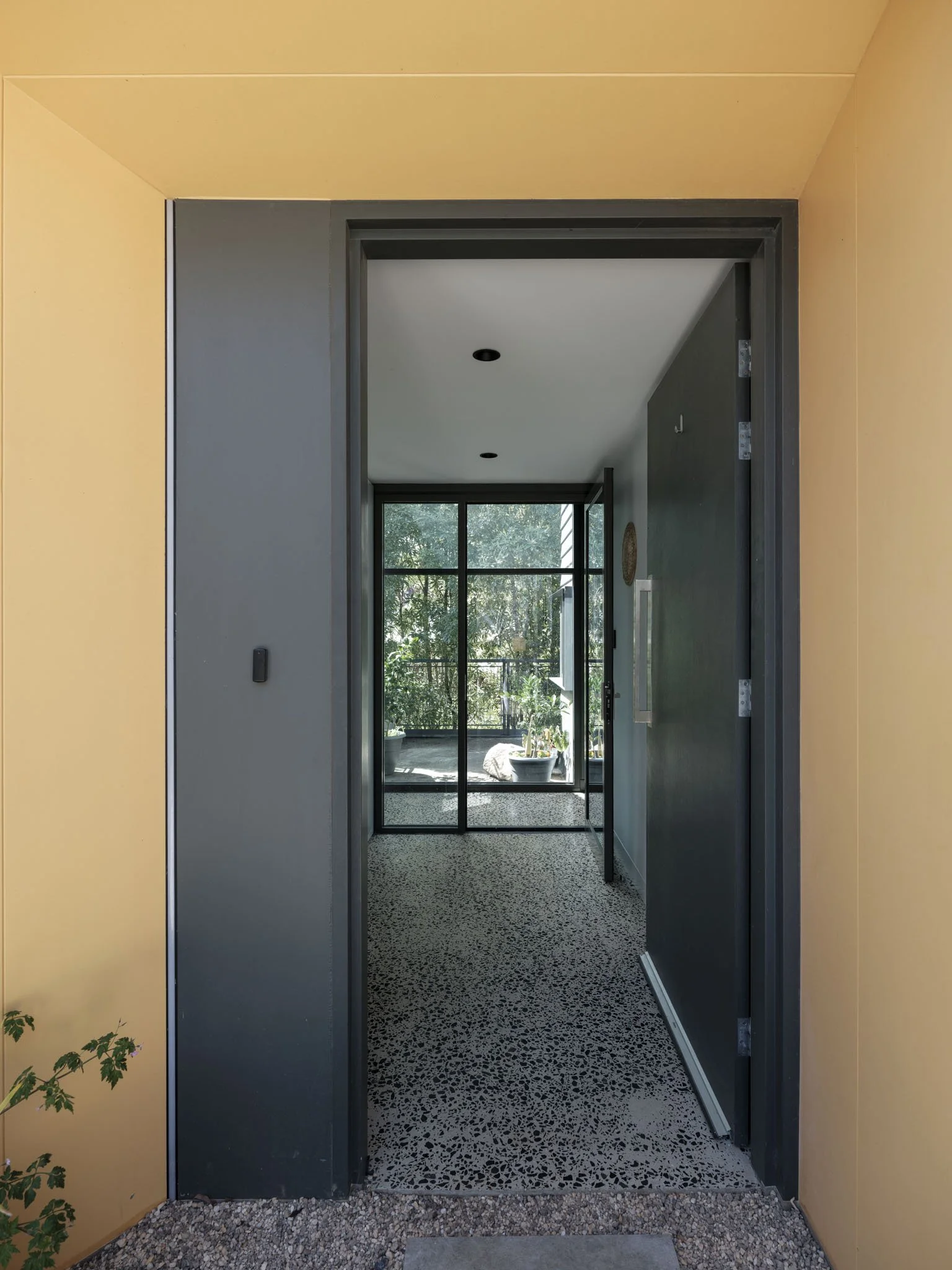
Project: Spencer St, Leura
4. The Rise of the Monolithic Statement Piece
Furniture is becoming more architectural.
Instead of delicate, lightweight pieces, we’re seeing:
Chunky stone islands
Solid timber dining tables
Built-in seating
Sculptural sofas
These “monolithic” elements define the room rather than just fill it. They create structure and permanence — something many homeowners are craving.
In open-plan Australian homes, a strong central piece can anchor the entire layout beautifully.
5. Sustainability Focus
Sustainable design is no longer a trend — it’s a standard.
Beyond material selection, we’re seeing a shift toward finishes that age gracefully:
Unlacquered brass
Natural metals that develop a patina
Limewash paints
Timber that deepens over time
There’s something reassuring about finishes that evolve rather than deteriorate. They tell a story.
For homeowners, it also means investing in quality over quantity — pieces and materials that last.
6. Warmer Metals Replace Cool
Polished chrome and cool silvers are stepping aside for:
Brushed brass
Aged bronze
Copper
Warm nickel
These finishes complement the richer colour palettes and natural textures dominating interiors. They feel softer, more timeless and better suited to earthy Australian homes.
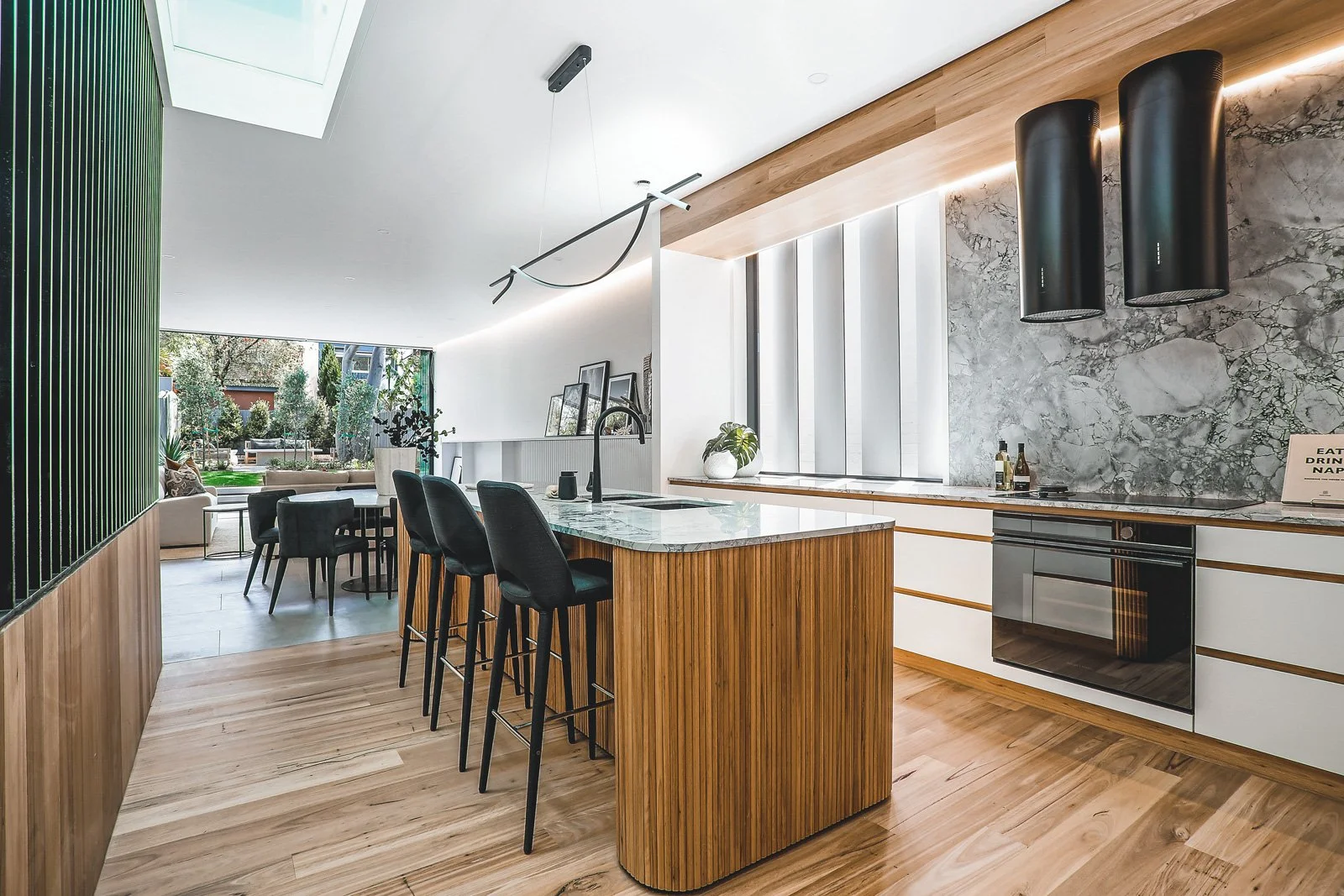
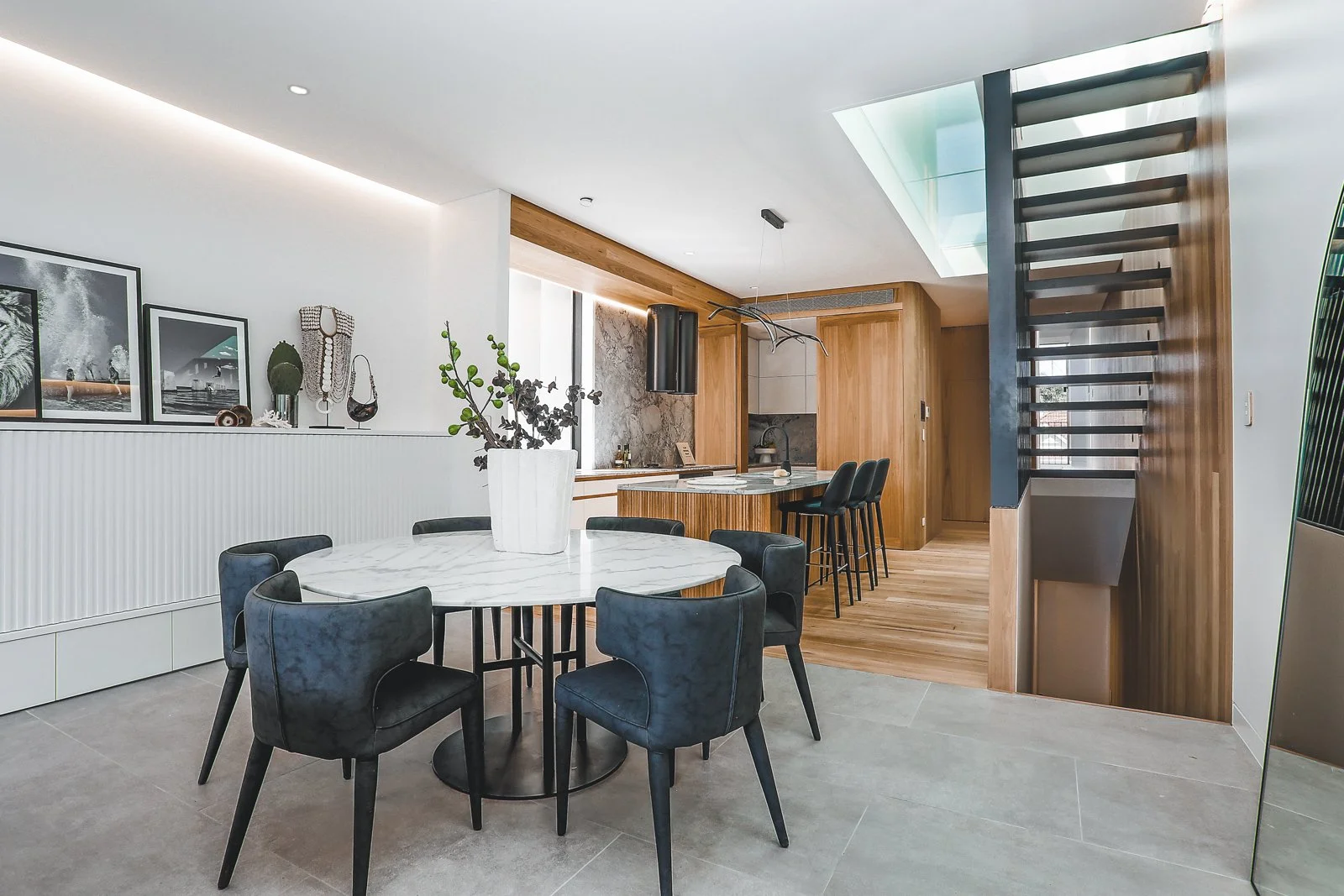
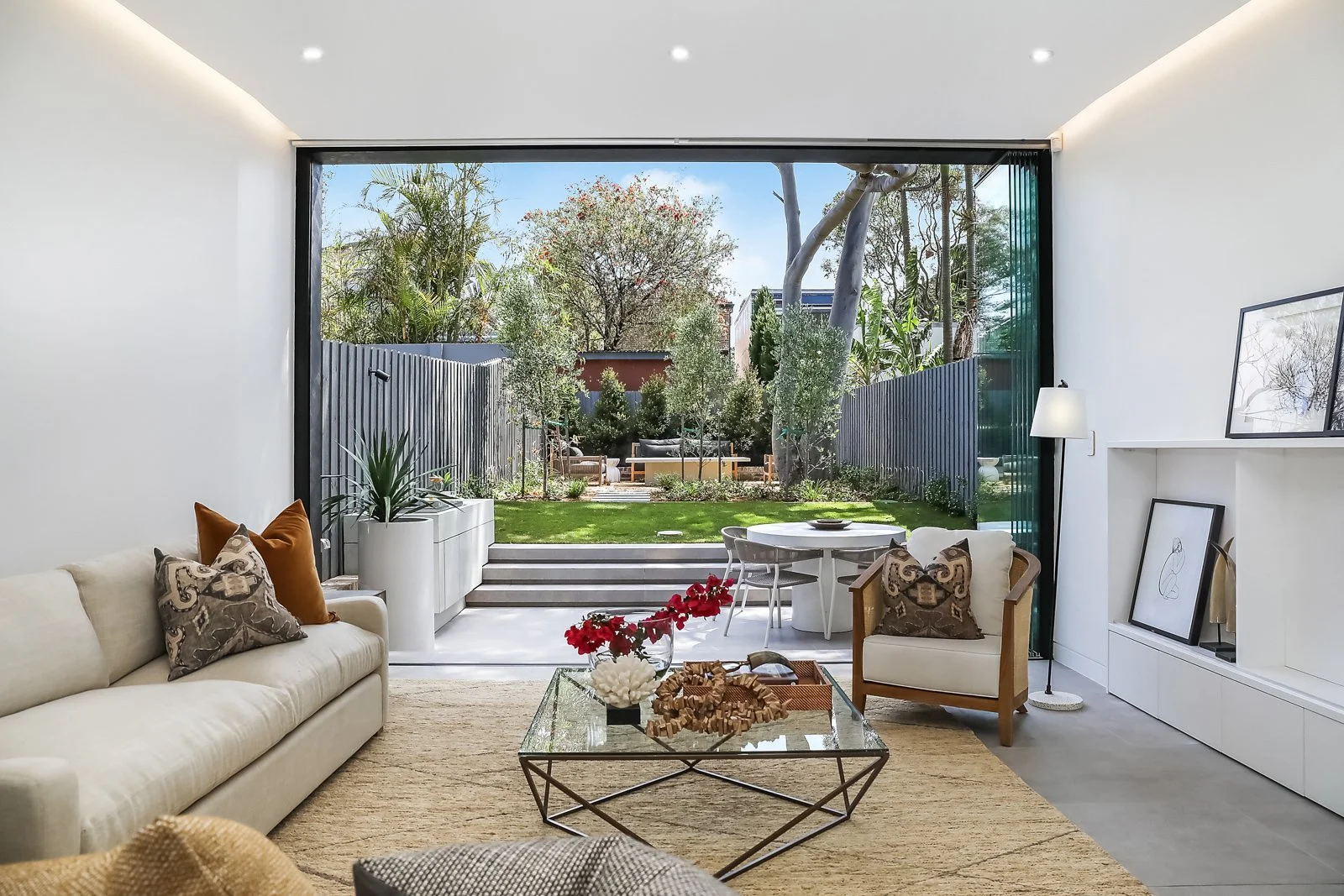
Project: Jackaman St, Bondi
Comfort Over Perfection
What ties all of this together is a broader cultural shift.
Homes in 2026 aren’t about pristine, untouchable spaces. They’re about comfort, individuality and longevity. They’re layered, tactile and deeply personal.
It’s less “design for Instagram” and more “design for living.”
Whether you’re building new or refreshing an existing space, 2026 invites you to lean into warmth, embrace character, and create a home that reflects your story — not just the latest catalogue.
Blog by Glenstone Living